

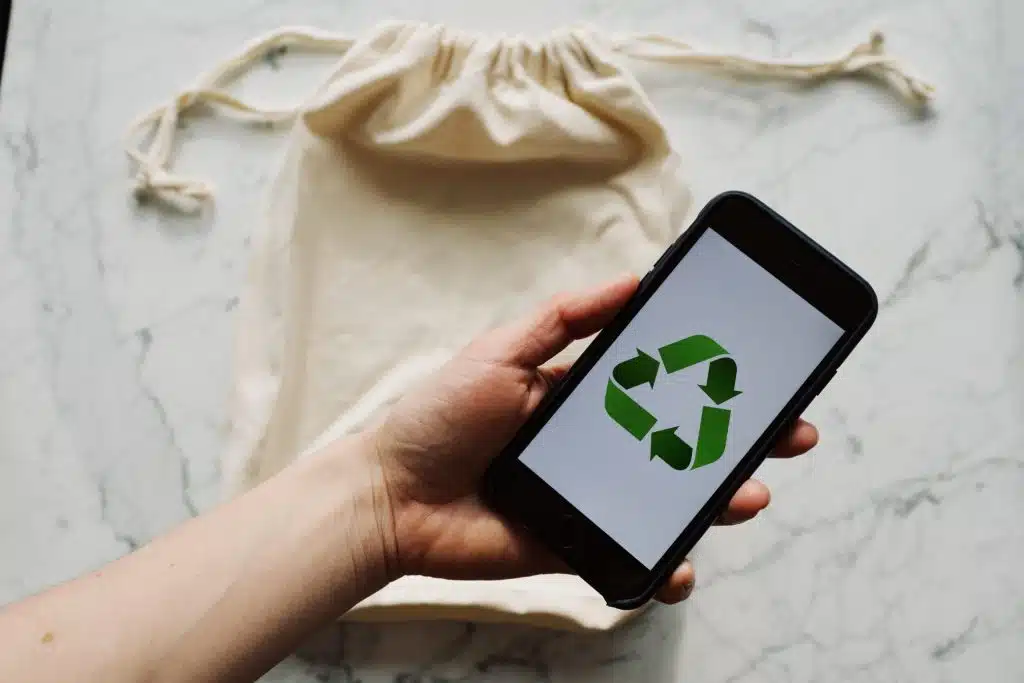
In our technology-centric society, electronic devices have become essential. However, as upgrades are frequent, the fate of old gadgets becomes a concern. Accumulating and occupying storage space, disposing of them in the trash is not an option. Improper disposal of electronic waste (e-waste) poses a substantial environmental threat.
E-waste encompasses electronic devices that are no longer functional or desired. These items include:
- Computers
- Laptops
- Smartphones
- Tablets
- Printers
- Cameras
- TVs
- and more
Electronic waste, or e-waste, may contain harmful substances like lead, mercury, cadmium, and brominated flame retardants. Improper disposal of these materials can have detrimental effects on the environment and human health.
Approximately 70% of toxic waste is attributed to e-waste, yet only 12.5% of it is recycled.
To responsibly manage e-waste at your home or office, consider the following tips:
1. Understand What Makes Up E-Waste
Electronic waste, or e-waste, encompasses obsolete computers, smartphones, printers, and various other electronic devices. Additionally, it includes batteries, chargers, and even cables. Gaining an understanding of the components of e-waste is the initial step towards its responsible disposal.
A significant factor contributing to the improper disposal of e-waste is the lack of awareness regarding its diverse components. This lack of awareness is a major reason why a substantial portion of e-waste ends up in landfills, which is detrimental to both us and the environment.
2. Reduce Your E-Waste
The subsequent action involves minimising the generation of e-waste from the outset. This entails purchasing only essential items, opting for durable and energy-efficient products, and prolonging the lifespan of devices by repairing them whenever feasible.
Prior to acquiring a new electronic device, consider its necessity. Could multiple individuals, for instance, share a company tablet? In certain situations, not everyone in a family or office may require a redundant device.
3. Explore Recycling Programs
Numerous electronics retailers and manufacturers offer recycling programs. Explore local options to find convenient solutions. Retailers typically accept old devices, ensuring their proper recycling or disposal. These programs are both convenient and environmentally friendly.
Consider checking out a couple of examples:
4. Use E-Waste Recycling Centres
Specialising in the safe disposal of electronic devices, e-waste recycling centres dismantle gadgets, recycle valuable components, and responsibly dispose of hazardous materials. To ensure proper disposal, locate a certified e-waste recycling centre in your vicinity.
Explore the following websites to find recycling centres:
5. Consider Donating or Selling Functioning Devices
If your old devices are still operational, contemplate donating them. Numerous charities and schools welcome functional electronics. Alternatively, you can sell them on reputable online platforms. This not only gives your gadgets a new lease on life but also diminishes e-waste.
Prior to parting with your old devices, ensure you thoroughly erase any personal data. Avoid the risk of someone gaining access to your online banking app or family photos. Continue reading for tips on accomplishing this securely.
6. Dispose of Batteries Separately
Batteries, particularly rechargeable ones, harbor hazardous materials. Numerous retailers and recycling centres provide designated bins specifically for battery disposal. It is crucial to consistently separate batteries from other e-waste to ensure proper handling.
7. Try Manufacturer Take-Back Programs
Numerous electronic manufacturers provide take-back programs. When purchasing a new device, inquire about their disposal initiatives. Certain manufacturers accept old gadgets through these programs, guaranteeing responsible recycling or refurbishment.
8. Opt for Certified E-Waste Recyclers
When utilising e-waste recycling services, opt for certified recyclers. Seek out certifications such as R2 or e-Stewards. These certifications guarantee that the recycling process adheres to rigorous environmental standards and includes robust data security protocols.
9. Educate Your Office or Household
Promoting awareness is crucial. Educate your office or household about the significance of responsible e-waste disposal. Encourage everyone to actively participate and adhere to proper disposal methods.
10. Repurpose or Upcycle
Tap into your creativity. Repurpose or upcycle old electronics for innovative uses. Transform an old computer monitor into a digital photo frame or utilise smartphone parts for engaging DIY projects. Upcycling not only reduces waste but also injects a dose of innovation into the process.
11. Encourage Manufacturer Responsibility
Back companies that prioritise environmental responsibility. Opt for products from manufacturers dedicated to sustainable practices and responsible management of e-waste.
Make Sure to Secure Data Before Disposal, Sale, or Donation
Before disposing of your devices, ensure all data is wiped clean. Otherwise, you risk falling prey to cybercrime, as criminals often scavenge dumps for old electronics. Eliminate all traces of your data to safeguard yourself.
Employ trustworthy data erasure software or seek assistance from an IT professional to securely wipe information from old gadgets. Even in disposal, prioritising data security is crucial.
Get Help Backing Up & Cleaning Devices
It is crucial to both back up and erase all data from devices before disposing of them. We offer assistance with expert data migration from the old device to the new one, along with comprehensive data cleaning to ensure the removal of all information.
Feel free to contact us today to arrange a discussion.